Hair Restoration For Women
Specialized Solutions for Female Hair Loss
Types of Female Hair Restoration

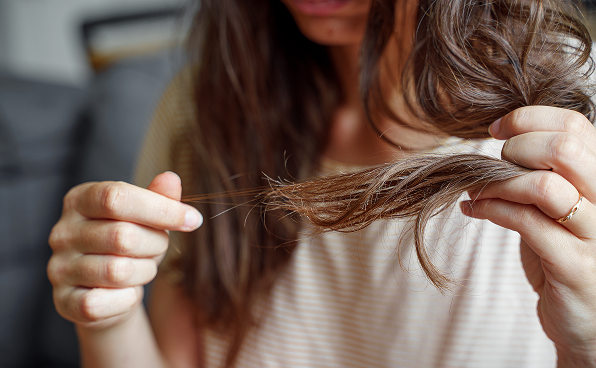
Understanding Female Hair Loss
Common Causes of Female Hair Loss
- Hormonal changes: Pregnancy, childbirth, menopause, or thyroid imbalances
- Genetics: Family history of female pattern hair loss
- Medical conditions: Polycystic ovary syndrome (PCOS), autoimmune disorders, or anemia
- Medications: Certain drugs used for cancer, arthritis, depression, or heart problems
- Physical or emotional stress: Major surgery, illness, or traumatic events
- Hairstyling practices: Tight ponytails, braids, or other styles that pull on hair roots
- Nutritional deficiencies: Inadequate protein or essential vitamins and minerals
Our Specialized Women's Hair Restoration Services
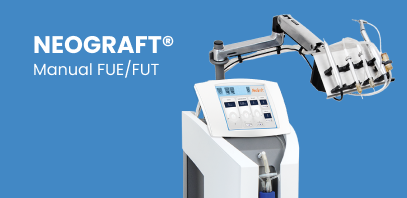
FUE Hair Transplant
FUT Hair Transplant
PRP Therapy for Women
Platelet-Rich Plasma therapy uses the healing and growth factors in your own blood to stimulate hair follicles. This non-surgical treatment is particularly effective for female pattern hair loss, as it helps strengthen existing hair and encourages new growth. Many women see noticeable improvements in hair thickness and reduced shedding after a series of treatments.
Low-Level Laser Therapy
This non-surgical treatment uses specialized light energy to stimulate cellular activity within hair follicles. FDA-cleared for women, these treatments can be performed in our office or with at-home devices under our guidance. Laser therapy is particularly beneficial for women in the early stages of hair thinning.
Medical Management of Female Hair Loss
Our physicians can prescribe and monitor treatments such as topical minoxidil, specially formulated for women’s needs. We also offer comprehensive hormonal evaluations and treatments when appropriate, working closely with your primary care provider or gynecologist when necessary.
Nutritional Support and Supplementation
The Female Hair Restoration Experience
- Private consultation: A thorough evaluation of your hair loss pattern, medical history, and goals
- Personalized treatment plan: Customized recommendations based on your specific type of hair loss
- Ongoing support: Regular follow-ups to monitor progress and adjust treatments as needed