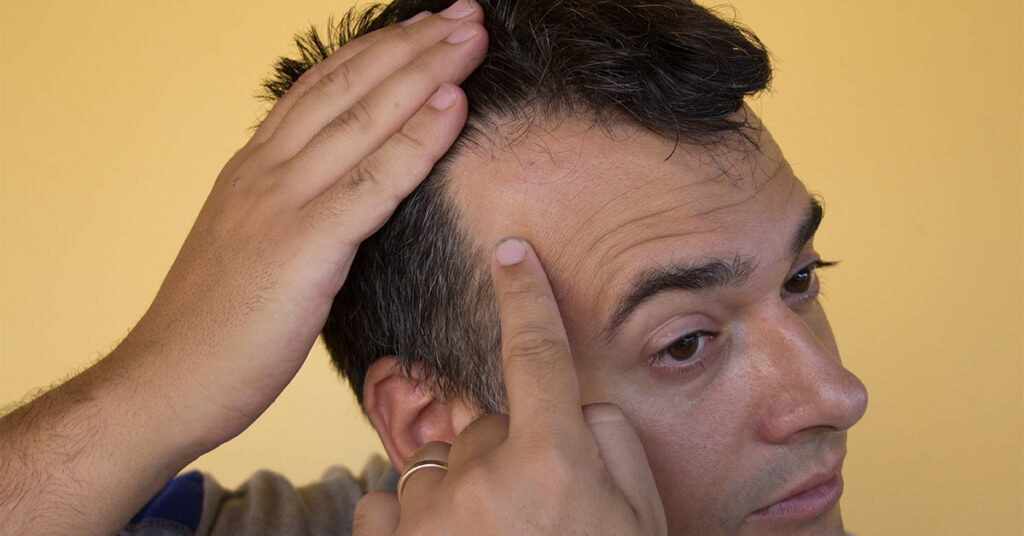
The correlation between hair loss and diabetes is widely accepted when it relates to androgenic alopecia, but some evidence suggests that it may also make some forms of scarring alopecia more prevalent.
Are Diabetics Prone to Alopecia?
According to the National Institutes of Health, people – especially women – with Type 2 diabetes are more prone to develop androgenic alopecia. “Androgenetic alopecia or female pattern hair loss, the most common form of hair thinning in non-Black populations, has been associated with insulin resistance and other manifestations of the metabolic syndrome in studies including predominantly non-AA men and women,” the study reports.
That left the question of whether the same was true about central centrifugal cicatricial alopecia (CCCA), the most common form of hair loss in Black women. Because they were a smaller section of previous studies, the results were initially inconclusive. However, a 2019 study showed that Black women with severe CCCA were more likely to have Type 2 diabetes than Black women without severe hair loss.
With that information in hand, we can safely say that diabetics are prone to alopecia and how that hair loss presents will likely depend on the type of hair you have. The deeper question then becomes whether insulin resistance, high blood sugar, or some other factor of diabetes is responsible for hair loss.
Can High Blood Sugar Cause Hair Loss and Thinning?
Yes, it can unfortunately. While the studies have shown a high correlation between diabetes and some forms of alopecia, high blood sugar can also cause hair loss that is not a form of irreversible alopecia.
Verywell Health explains it this way, “Hair loss can be a symptom of both type 1 and type 2 diabetes and is thought to have a few possible causes, including hormonal imbalances, poor circulation due to hyperglycemia, or an autoimmune disorder. Hair loss can often be reversed with medications and by getting blood sugar levels under control.”
The evidence suggests that various conditions related to diabetes can create stress on hair follicles or even lead to the development of alopecia areata, which occurs when the immune system attacks the hair follicles and causes patch hair loss. Some diabetes medications may also contribute to hair loss by interrupting the hair growth cycle.
Healthline suggests that reduced blood flow from diabetes may cause the hair to grow more slowly in the anagen or “growth” stage and may cause the follicles to remain at rest longer before regrowing new hair.
That maybe because of the decreased blood flow or it might be from other factors, according to K Health. “When blood sugar levels are too high, that means the energy that cells need isn’t available to them because it can’t get out of the bloodstream. The more blood vessels get damaged, the more difficult it becomes for oxygen and nutrients to travel through the body, especially to areas farther from the heart: feet, eyes, and hair follicles.”
But it could also be because some diabetes drugs (like metformin) can deplete the body of other nutrients needed to grow healthy hair. Discuss potential side effects with your endocrinologist whenever your medications change.
Is Hair Loss From Insulin Resistance Reversible?
The good news is that if you catch diabetes-related hair loss early enough you may be able to stop or even reverse it. If your hair loss is from poor nutrition caused by medications or weakened blood vessels, getting your blood sugar levels under control and keeping them there might make a difference.
Let Our Expert Staff Identify the Cause of Your Hair Loss
Whether your hair loss is caused by Type 1 or Type 2 diabetes, by genetics, or caused by something else… the team here at Precision Hair Restoration has the tools and the knowledge to figure it out. Once we know what is causing your hair loss, we can start a treatment plan. The sooner you contact us, the sooner you can have your hair back!